Best Prewedding Locations in Bali (Complete Guide)
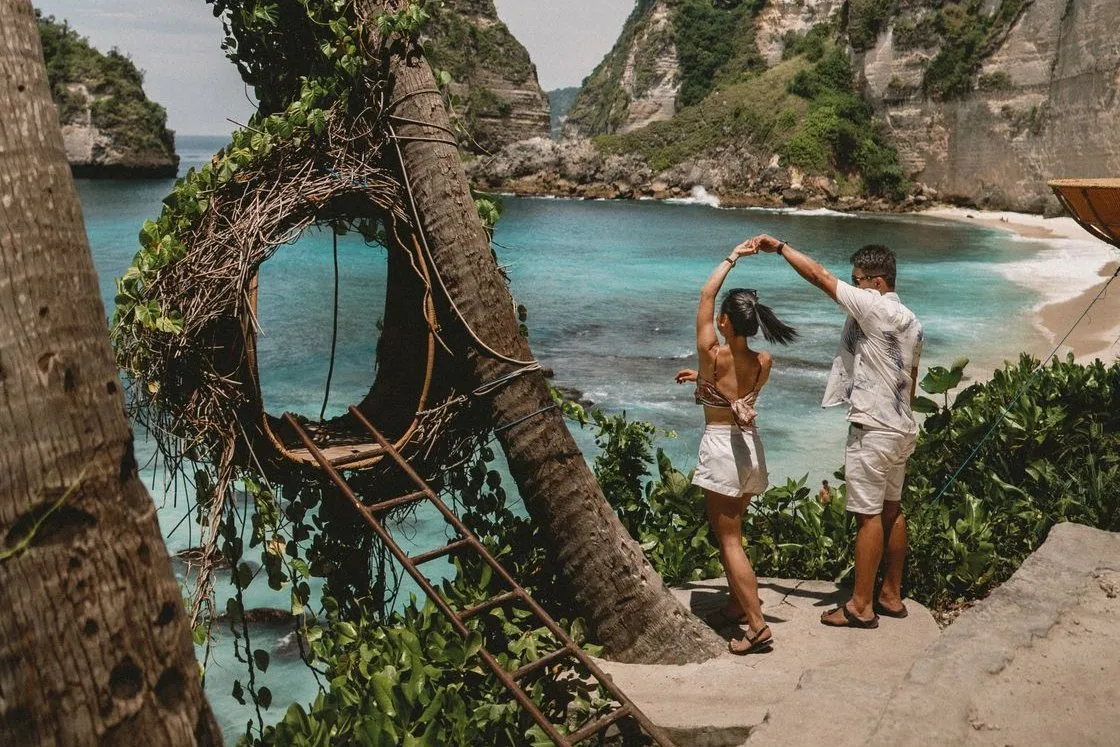
Few places reward a camera the way Bali does. In the space of a single morning you can move from a clifftop above the Indian Ocean to a green terrace carved into a hillside, then finish the day with your feet in warm black sand. For couples flying in from abroad, that variety is the whole appeal. One trip, one photographer, and a set of images that feel like a proper journey rather than a single afternoon.
This guide walks through the prewedding locations in Bali that consistently deliver, and just as importantly, how to shoot each one well. Some are famous for a reason. A few are quieter alternatives that give you the same feeling without the crowd. Along the way you will find practical notes on timing, permits, outfits, and how to build a day that actually flows.
The standout prewedding locations in Bali, at a glance:
- Uluwatu and the southern cliffs, for grand ocean drama
- Nusa Penida, for raw cliffs and turquoise water
- Tegallalang and the Ubud rice terraces, for soft green calm
- Handara Gate and the Bedugul highlands, for cool mountain scenery
- Lempuyang, for the famous Gates of Heaven
- Bali’s waterfalls, for lush, hidden frames
- Melasti and Nyang Nyang beaches, for relaxed coastal light
The rest of this guide covers each one in detail, along with when to shoot, what to wear, and how to plan a day that actually flows. If you want more like this, browse the full set of Bali location guides.
Why couples fly to Bali for their prewedding
Bali packs an unusual number of landscapes into a small island. Cliffs, rice fields, jungle waterfalls, volcanic lakes, temples, and long stretches of beach all sit within a few hours of each other. For a prewedding shoot that means you are not locked into one look. You can plan a set of photographs that moves from grand and cinematic to soft and intimate, all in the same trip.
There is also the light. Bali sits close to the equator, so the sun rises and sets quickly and the golden hours are short but generous. When you time a session around that light, the island does a lot of the work for you. Skin tones stay warm, the sky holds colour, and even simple frames start to feel like something you will want on a wall.
The last reason is practical. Bali is set up for visitors. Villas, drivers, and vendors are used to working with couples from overseas, English is widely spoken, and the cost of a memorable session is lower than in many other destinations. That combination is why so many couples choose to document this chapter here rather than at home.
Getting to Bali and getting around
For most international couples the trip begins at Ngurah Rai airport in the south, close to the beaches and cliffs. Many nationalities qualify for a visa on arrival, and extending it is straightforward if you want to stay longer than a month, though it is always worth checking the current rules for your passport before you fly.
Once you land, forget about driving yourself. Traffic can be slow and the roads take some getting used to, so a private driver for the day is the normal way to move between locations. It is affordable, it removes the stress of navigation and parking, and a good driver quickly becomes part of the team, getting you to each spot before the light turns. A local SIM card or an eSIM is cheap and makes staying in touch and sharing plans easy.
Where you stay shapes your days more than you might expect. Basing yourself in the south near Uluwatu and Canggu puts the cliffs and beaches on your doorstep, while a few nights in Ubud brings the terraces and waterfalls closer. Splitting your stay between two areas is a common and comfortable way to cut down on long drives.
When to shoot: seasons, weather, and the golden hours
Timing shapes a Bali session more than any single location does. Get it right and an ordinary spot looks extraordinary. Get it wrong and even the best cliff looks flat.
The dry season and the green season
The dry season runs roughly from April to October. Skies are clearer, roads are easier, and you have the most flexibility to move between locations. This is the busiest window, so popular spots fill up earlier in the day and booking ahead matters.
The green season, from November to March, brings more rain but also fewer people and a landscape that turns vivid and lush. Showers tend to arrive in short, heavy bursts and then clear, which often leaves dramatic skies and soft, even light behind them. If you are relaxed and willing to work around the weather, the green season can give you images that the dry months simply cannot.
Sunrise or sunset
Most of the strongest frames happen in the first hour after sunrise or the last hour before sunset. Sunrise is quiet and cool, with mist still sitting in the valleys and almost nobody around. It suits couples who want calm, private sessions and are happy to set an early alarm. Sunset is warmer and more social, with richer colour but bigger crowds at the famous viewpoints.
A good rule is to book your must-have location for the quietest light and treat the middle of the day as travel and rest. Harsh midday sun is the one thing you cannot really fix in a photograph, so it is better to plan around it than to fight it.
How many locations can you realistically cover
The honest answer is fewer than you think. On paper you could line up five spots in a day. In practice, Bali traffic and the walk to each viewpoint eat the hours, and a schedule that looks efficient on a map turns into a stressful sprint on the ground.
Two to three locations in a full day is a comfortable pace that still gives you variety. It leaves room to slow down, change outfits, and actually enjoy the session, which is exactly what shows up in the final images. If your heart is set on more, the better solution is to spread the story across two or three days rather than cram it into one.
The southern cliffs: Uluwatu and the Bukit Peninsula
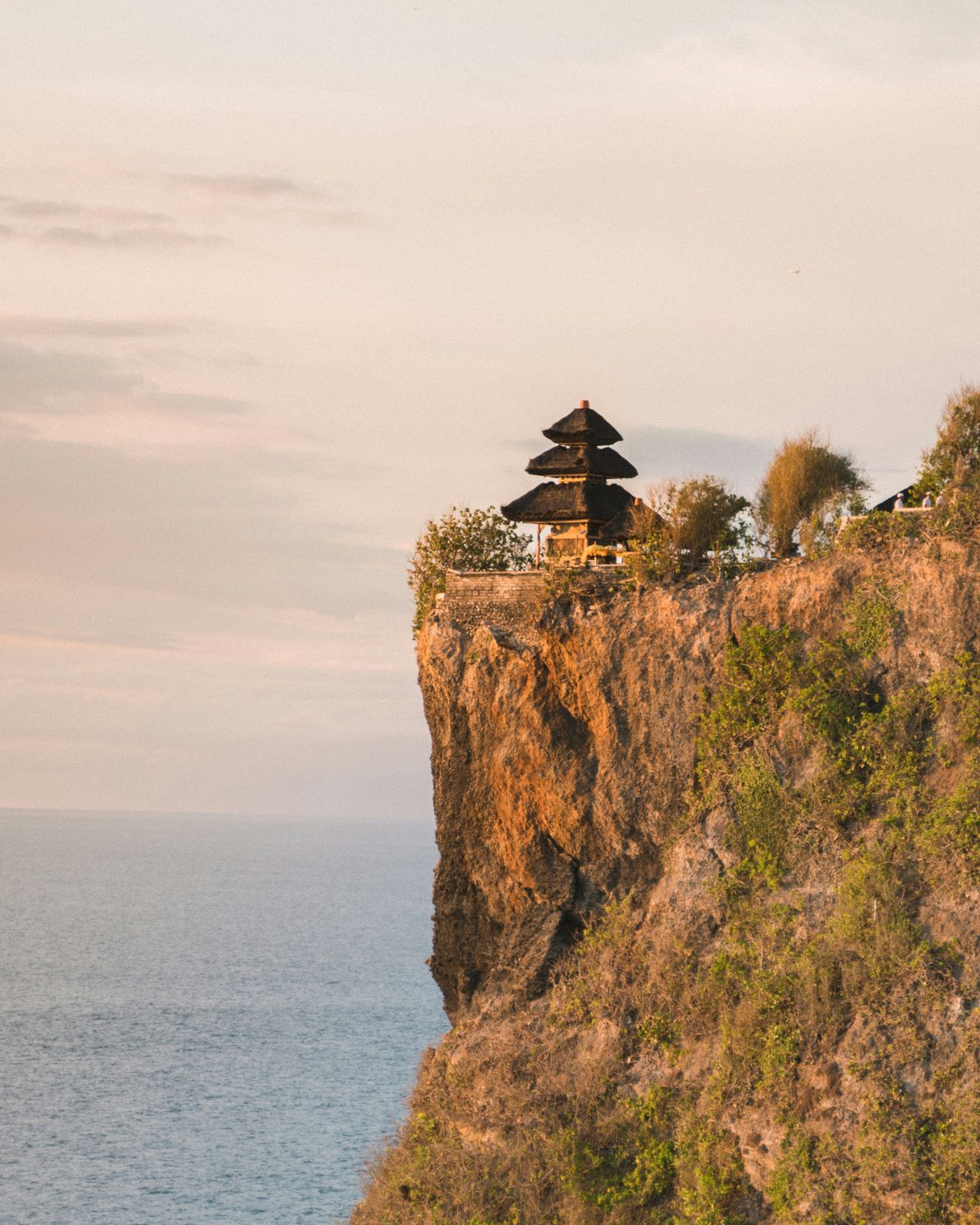
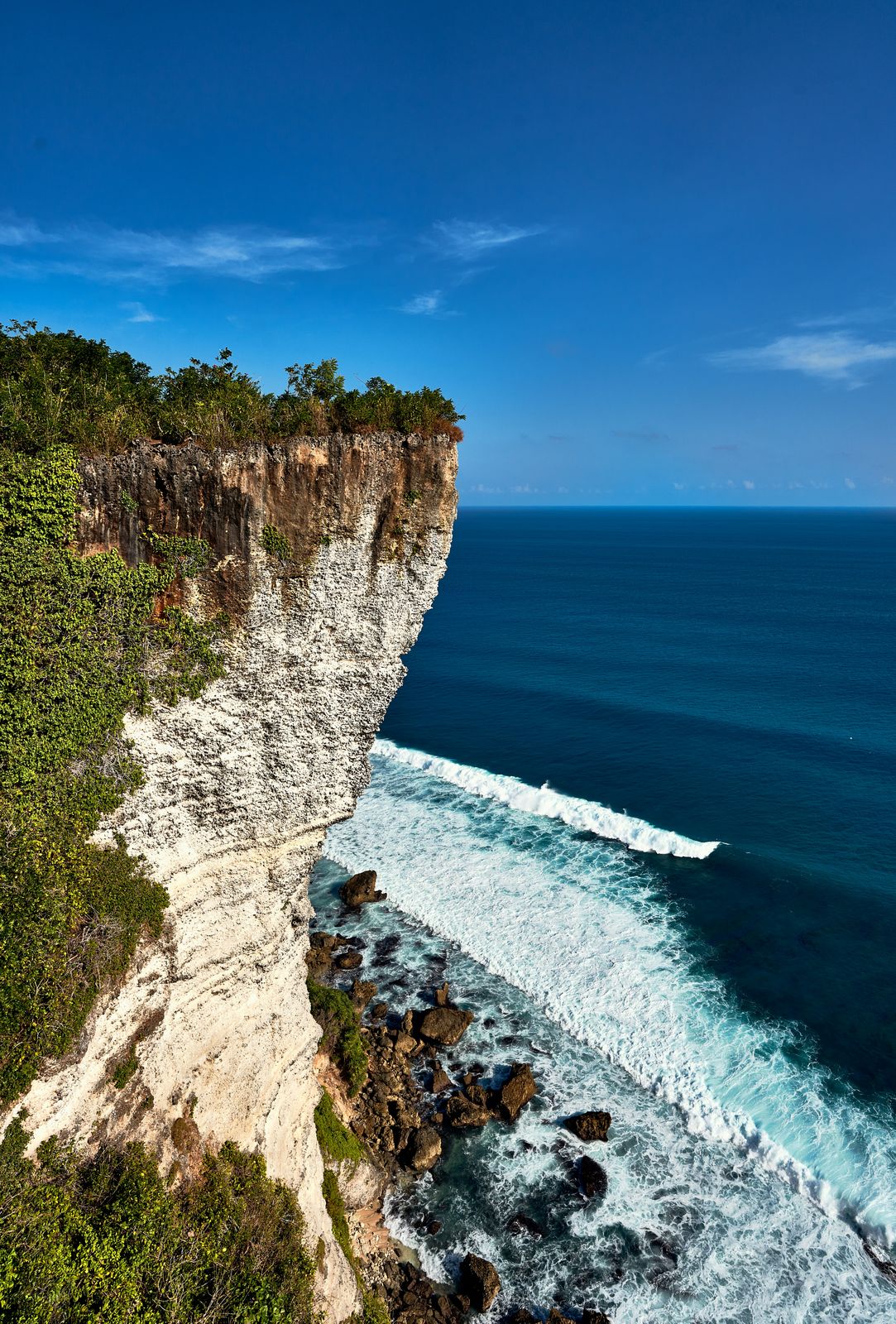
The Bukit Peninsula in the far south is where Bali feels most cinematic. Limestone cliffs drop straight into the ocean, and the light in the late afternoon turns the whole coastline gold. Uluwatu is the headline name, and the clifftop near its temple is spectacular, but it is also popular, so arrive early and be ready to move quickly.
Just around the coast, quieter viewpoints give you the same drama with more privacy. Long horizons and a lot of negative space make this a natural fit for grand, wide frames where the two of you are small against the landscape. It is a strong opening or closing location for a day, and it pairs beautifully with the storytelling look you can see across the Stories portfolio.
A note on wind and safety
The cliffs are exposed, so wind is part of the experience. It can look wonderful in a photograph, with hair and fabric moving, but it also means flowing dresses need managing and you should keep a sensible distance from unfenced edges. Comfortable shoes for the walk in and a change of footwear for the frames themselves make the whole thing easier.
Nusa Penida: raw cliffs and turquoise water
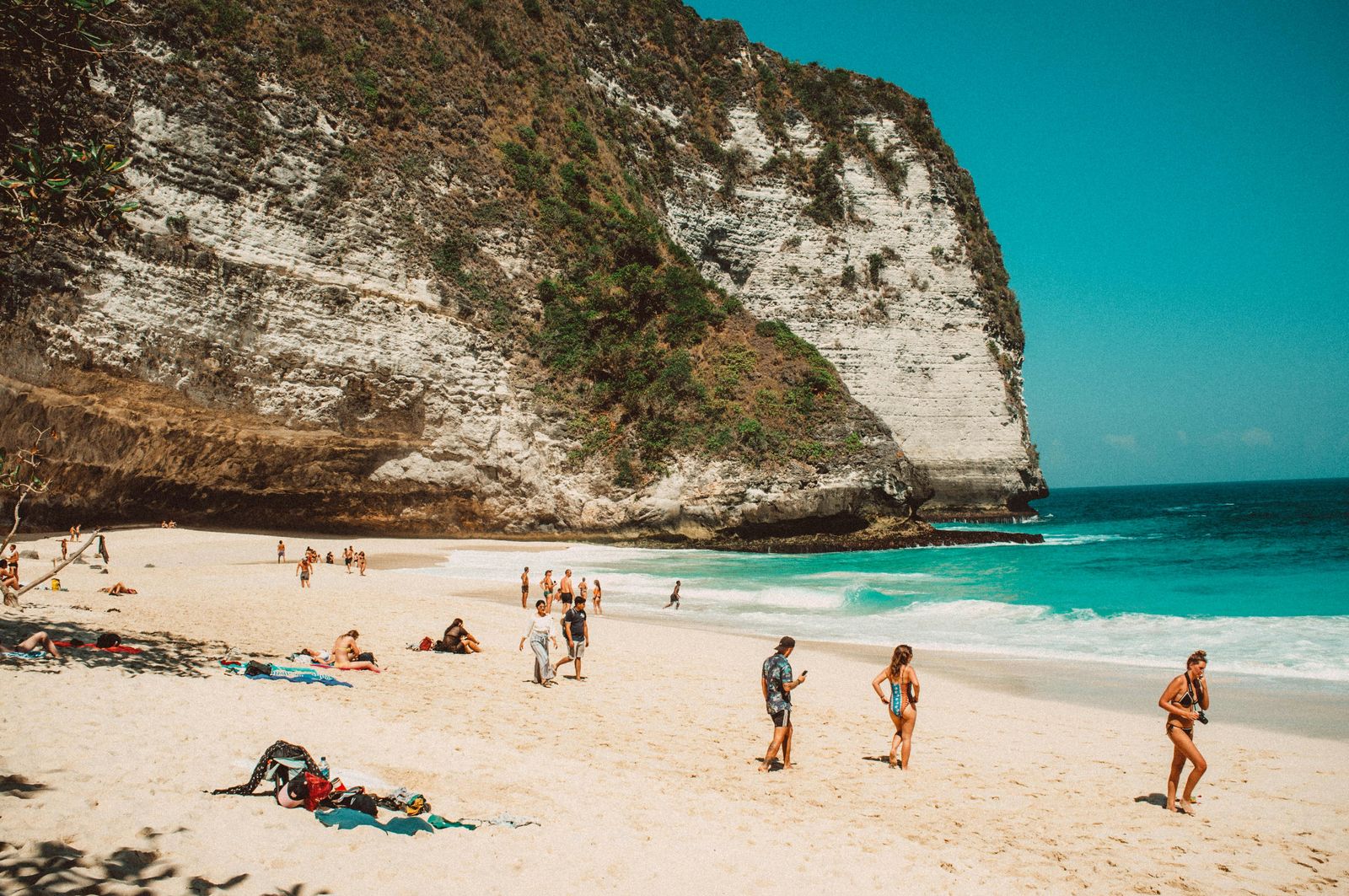
A short boat ride from the mainland, Nusa Penida looks like nowhere else in the region. The cliffs are taller and rawer, the water is an almost unreal turquoise, and the scale of everything makes for photographs that stop people mid scroll. Kelingking Beach, with its dinosaur shaped headland, is the icon, though the crowds and the steep terrain there are real considerations.
Penida rewards couples who treat it as its own day rather than a quick add on. The crossing, the island roads, and the walks to each viewpoint take time, so plan generously. If you are drawn to the wild, windswept end of the spectrum, this is the place. It also forms the second half of a favourite two-part journey, moving from the polished formality of a gown to something looser and more adventurous.
The rice terraces: Tegallalang and the Ubud countryside
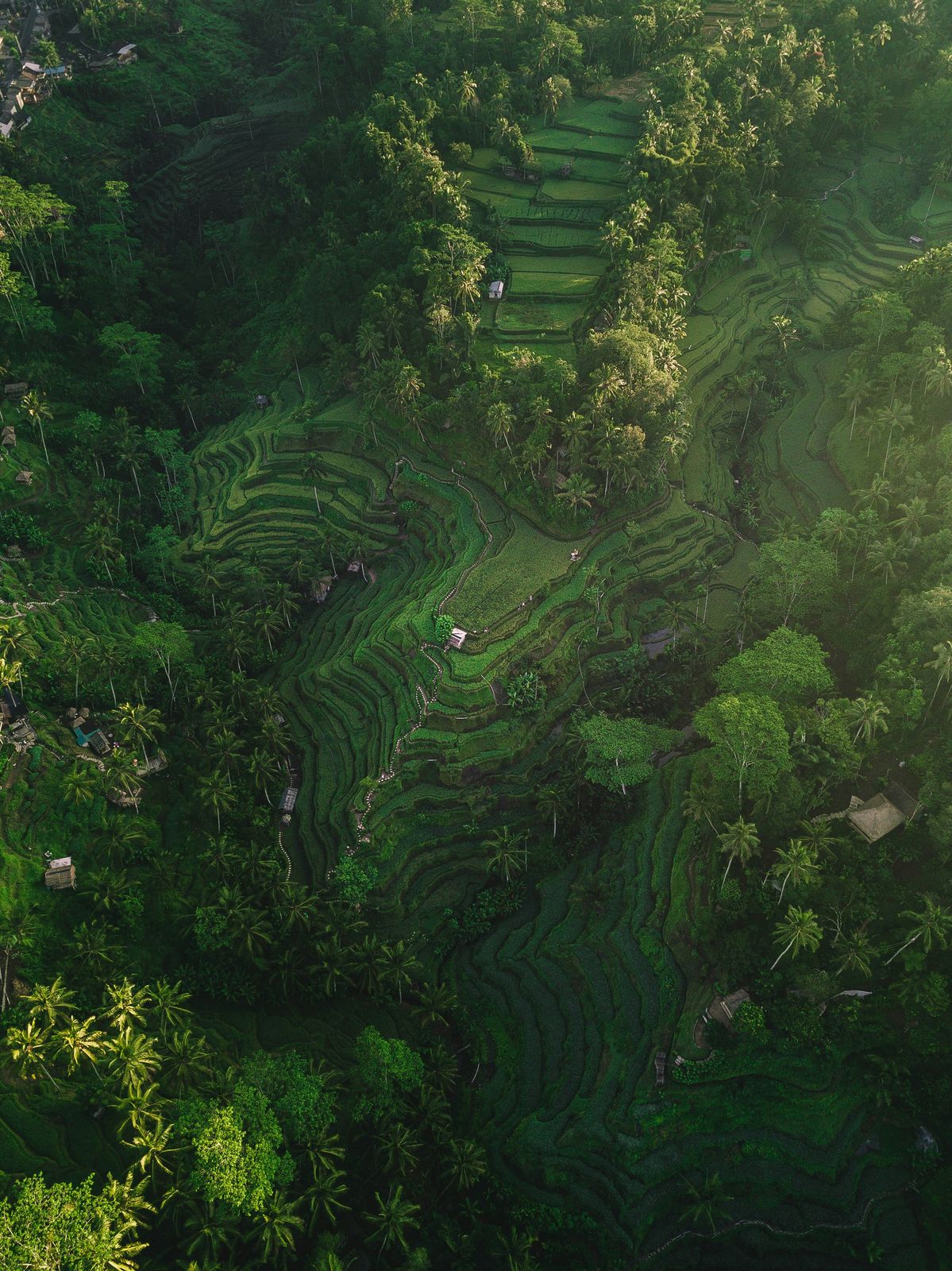
Inland, the mood softens. The terraces around Tegallalang and the wider Ubud countryside give you layered green hillsides, palms, and morning mist. Where the cliffs are grand and dramatic, the terraces are intimate and gentle, which makes them a lovely counterpoint within the same set of images.
Come early. Tegallalang in particular gets busy once the tour buses arrive, and the light is best before the sun climbs too high. Smaller, lesser known terraces in the surrounding villages offer the same feeling with far fewer people, and a local photographer will usually know which ones are quiet on a given morning.
Highland gates and mountain calm: Handara and Bedugul
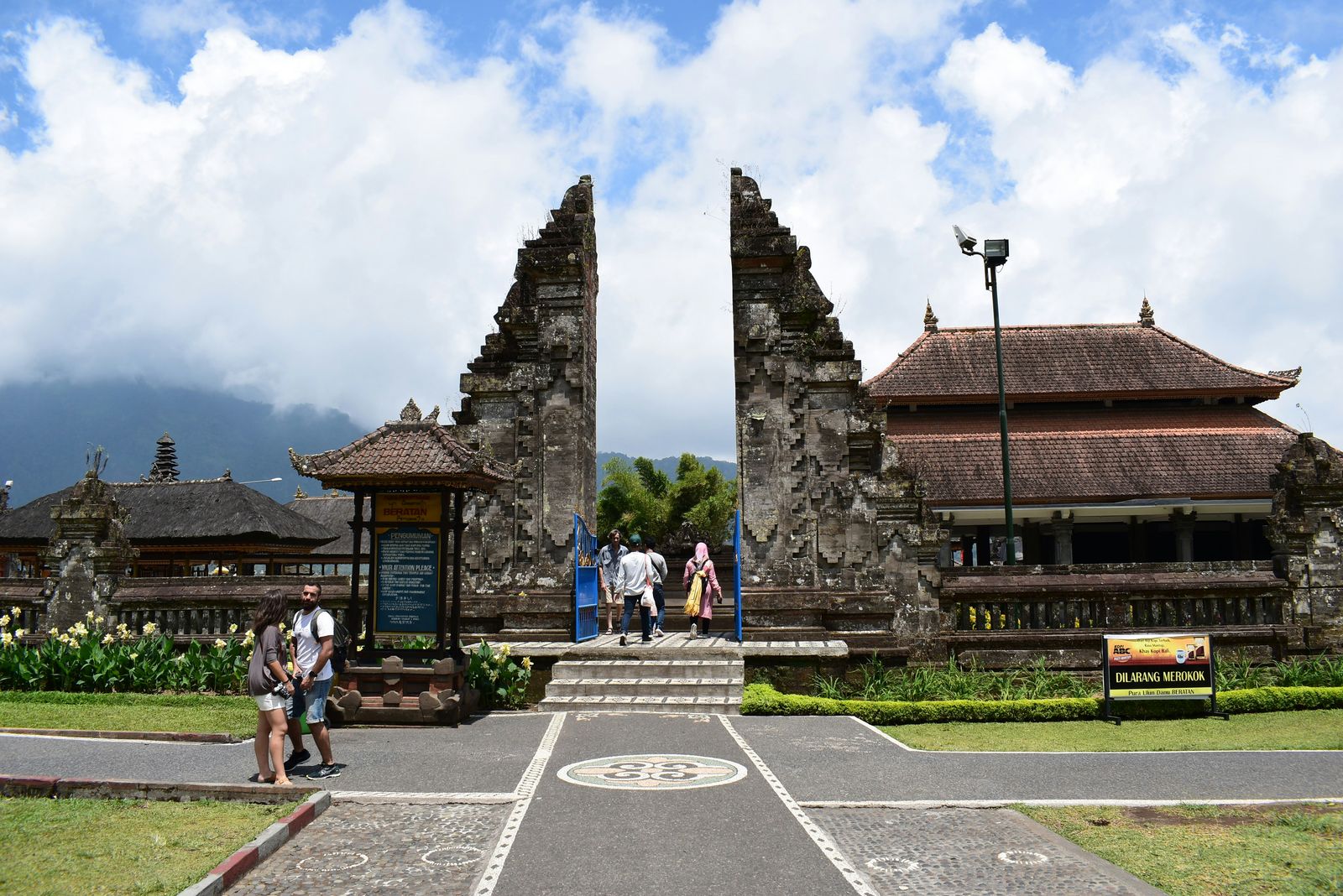
Head up into the highlands around Bedugul and the temperature drops, the air clears, and the scenery shifts again. The Handara Gate is the famous frame here, a traditional Balinese gateway that opens onto forest and mountains. It is a striking, symmetrical shot, though it is also managed as a paid photo spot with a queue, so patience helps.
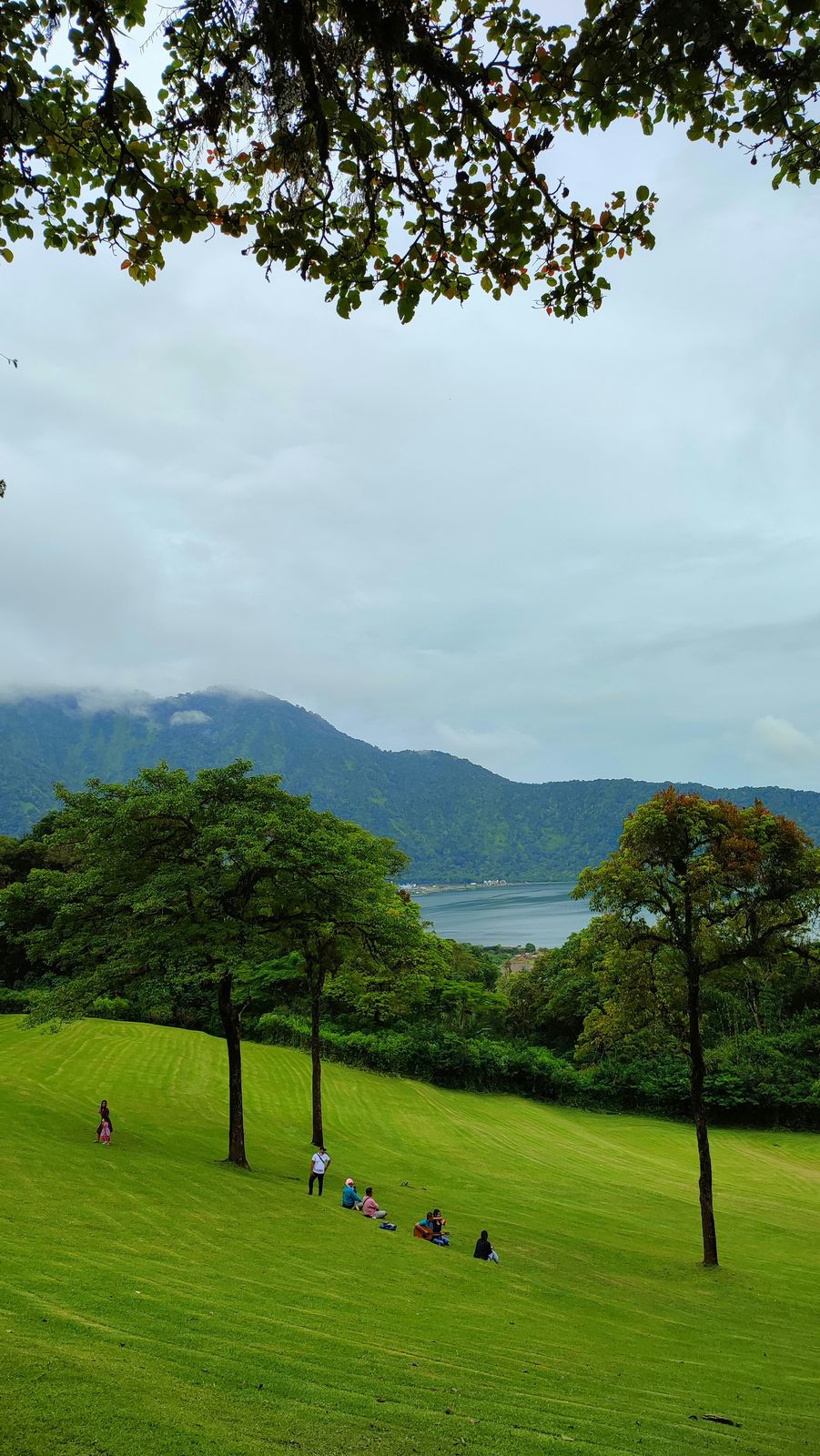
Nearby, the lakes and mountain temples offer a quieter, moodier feeling, often with mist rolling across the water. This part of the island suits couples who want something calmer and more atmospheric, away from the beach look that Bali is best known for.
Lempuyang and the Gates of Heaven
In the east, the temple of Lempuyang frames Mount Agung between two tall gates, an image that has become one of the most recognisable in all of Bali. It is beautiful, and it is also one of the busiest photo spots on the island, with long waits during peak hours.
If this frame is on your list, treat it as an early sunrise mission and set your expectations accordingly. The reflection you often see in photographs is created with a small mirror rather than water, which is worth knowing so nothing feels like a surprise. Handled with the right timing and a relaxed attitude, it can still be a highlight.
Waterfalls: Tukad Cepung, Tibumana, and Sekumpul
For something greener and more hidden, Bali’s waterfalls are hard to beat. Tukad Cepung is famous for the beams of light that fall through a canyon opening in the late morning, a rare case where midday light actually helps you. Tibumana is gentler and more accessible, with a wide, photogenic curtain of water. Sekumpul in the north is the most dramatic of the three and also the most effort to reach.
Waterfalls involve stairs, mud, and spray, so plan for it. Bring a towel, protect the camera gear, and choose outfits you do not mind getting damp. The reward is a lush, cinematic frame that feels a world away from the open coast.
Beaches beyond the crowds: Melasti, Nyang Nyang, and black sand
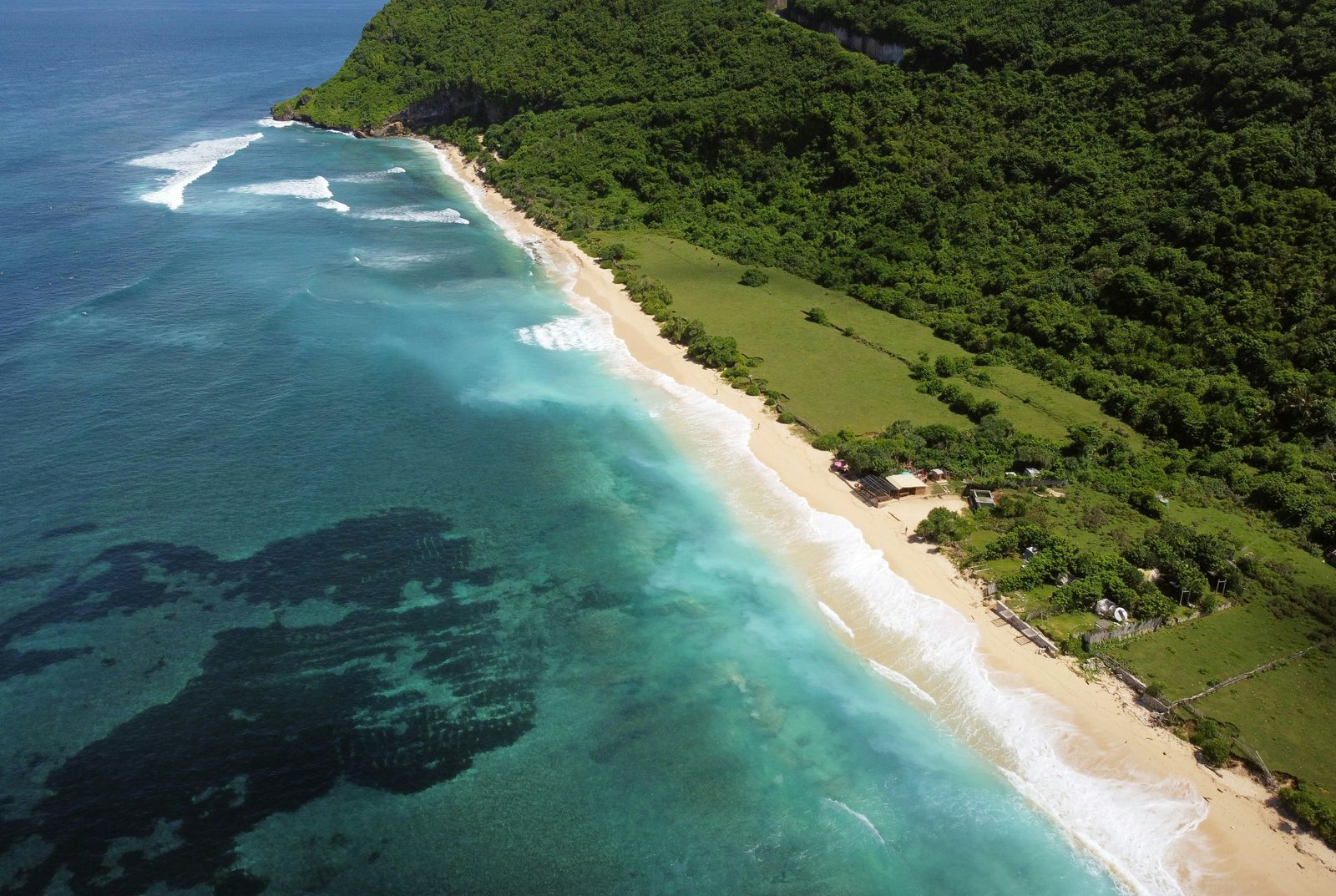
Bali is an island, so of course the beach belongs in your plan. The trick is choosing the right one. Melasti has clean white sand and carved limestone walls that photograph beautifully in the afternoon. Nyang Nyang takes more effort to reach, which is exactly why it stays quiet and open. In the west and north, black volcanic sand gives you a moodier, more graphic look that many couples love for its difference.
Beaches are forgiving and relaxed, which makes them a good place to end a day when everyone is tired and ready to just walk and laugh at the water’s edge. Some of the most natural frames of a whole session happen here, once the posing is done and the two of you forget the camera is there.
Temples and culture: Tanah Lot and Taman Ujung
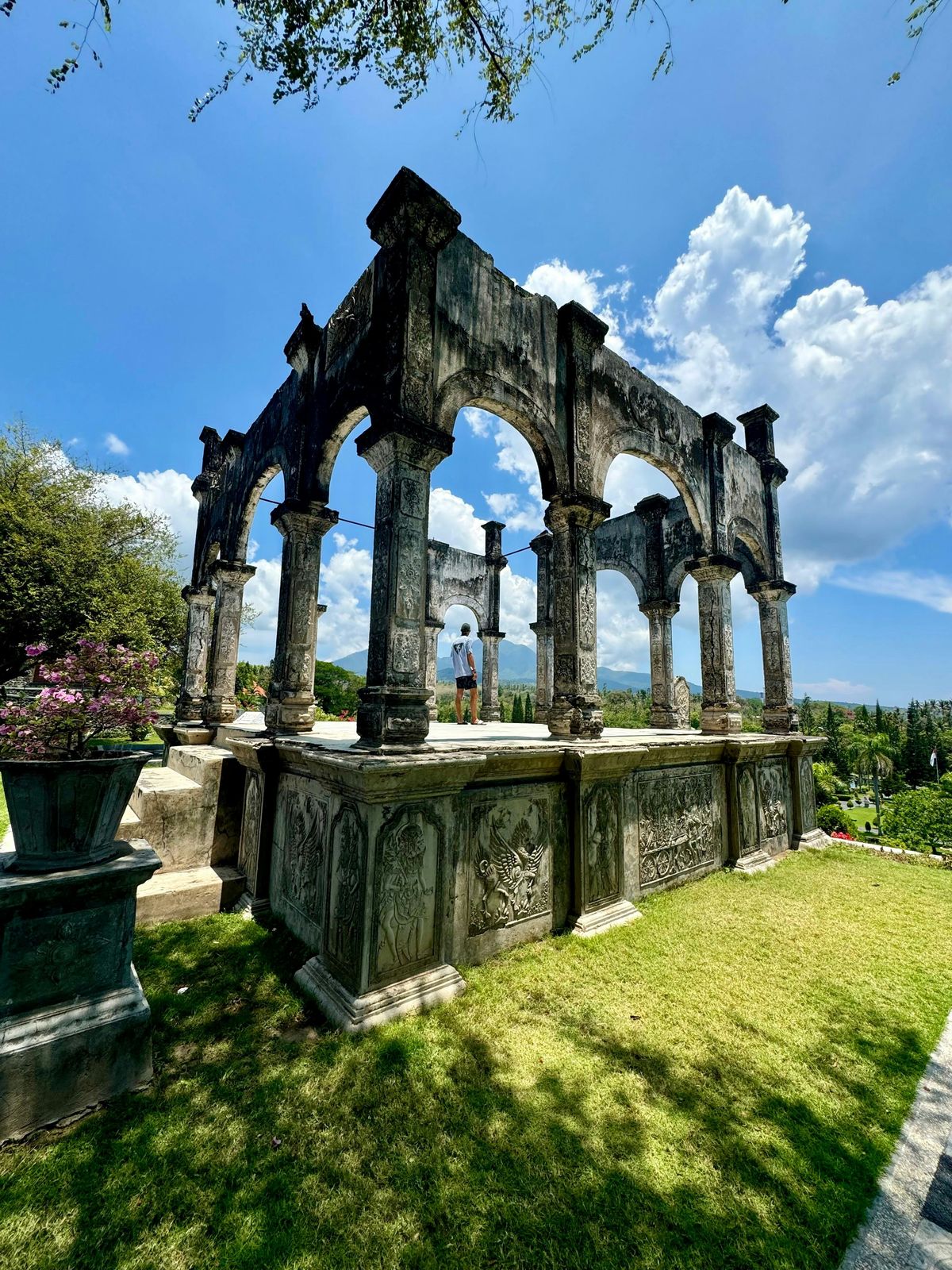
If you want a sense of place that is unmistakably Balinese, the temples deliver. Tanah Lot, set on a rock in the sea, is stunning at sunset, though it draws a crowd. Taman Ujung, a water palace in the east, offers elegant architecture, reflecting pools, and long walkways that feel made for photographs.
These locations ask for respect. They are active places of worship, so modest dress and quiet behaviour matter, and some areas are off limits to visitors. Working with someone who knows the local customs keeps everything smooth and appropriate, which is part of why couples lean on a Bali-based photographer who understands the etiquette as well as the light.
Town and lifestyle: Canggu, Seminyak, and Ubud streets
Not every frame needs to be epic. Some of the most personal images come from the everyday. A quiet café in Canggu, a colourful street in Seminyak, or a leafy lane in Ubud can give you a relaxed, lifestyle feeling that balances the grand landscapes. This is where a session starts to look like your actual life together rather than a postcard.
Town locations also work well as a gentle start to a day, an easy warm up before the pressure of a sunset cliff. If you want your gallery to feel varied and human, leave room for at least one of these.
More locations worth the detour
Beyond the headline spots, a handful of quieter areas reward couples who have more time, or a taste for the road less travelled.
Sidemen and the eastern valleys
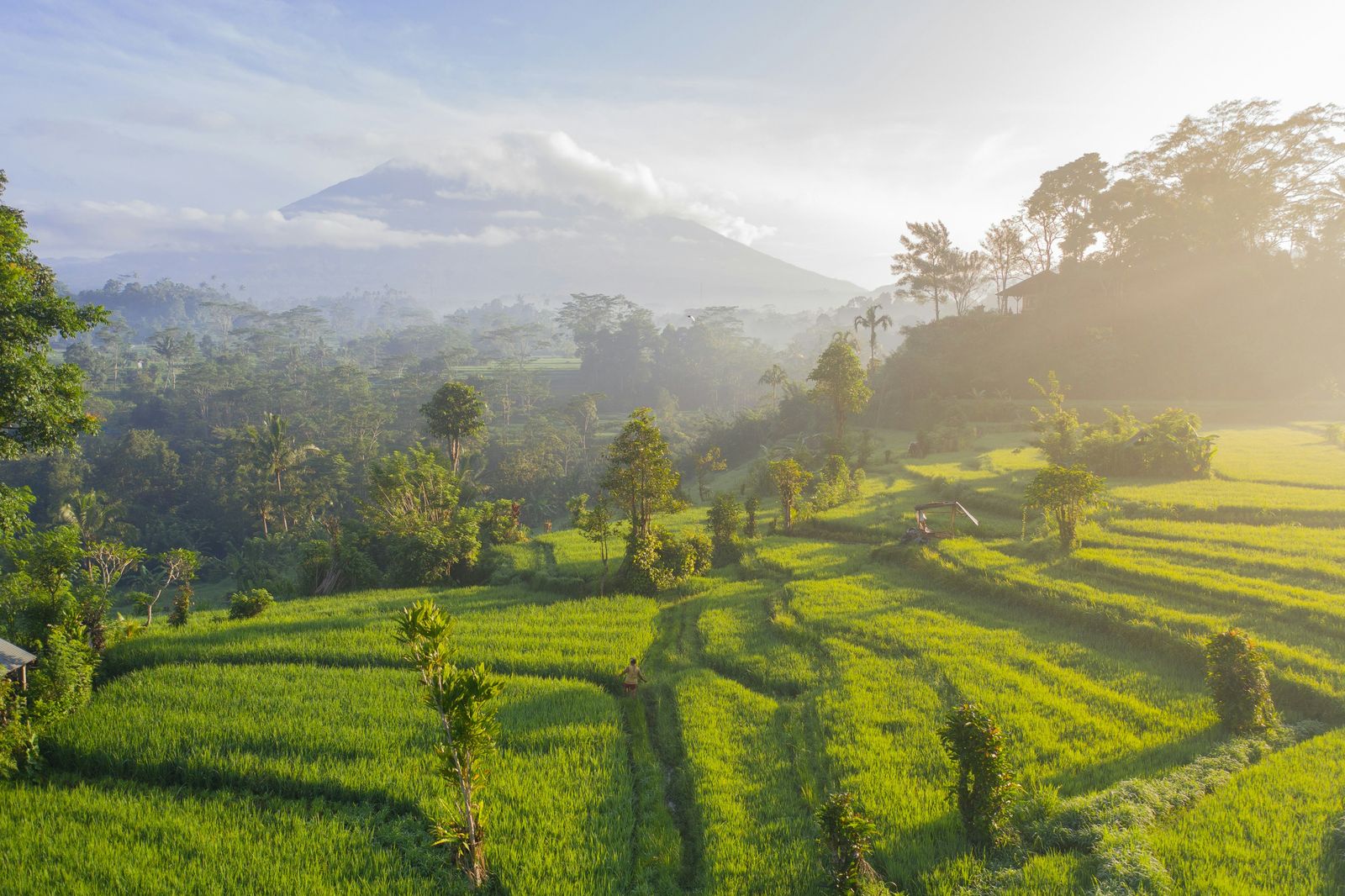
If the crowds at Ubud put you off, Sidemen offers a similar green, terraced landscape with a fraction of the visitors. The valley sits in the shadow of Mount Agung, and on a clear morning the volcano rises behind the rice fields for a frame that feels both grand and peaceful. It rewards couples who are happy to trade a little convenience for real calm.
Amed and the sunrise coast
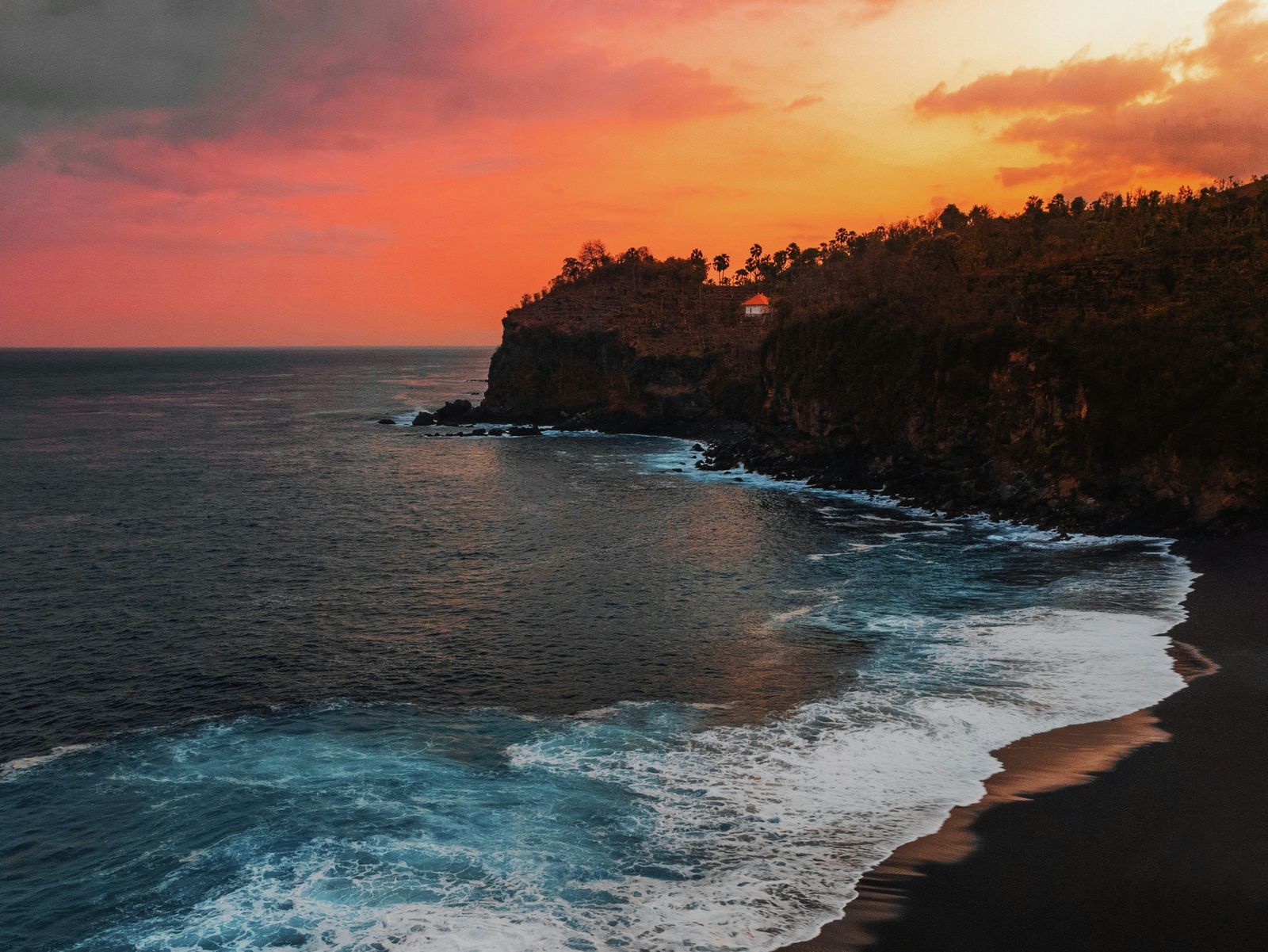
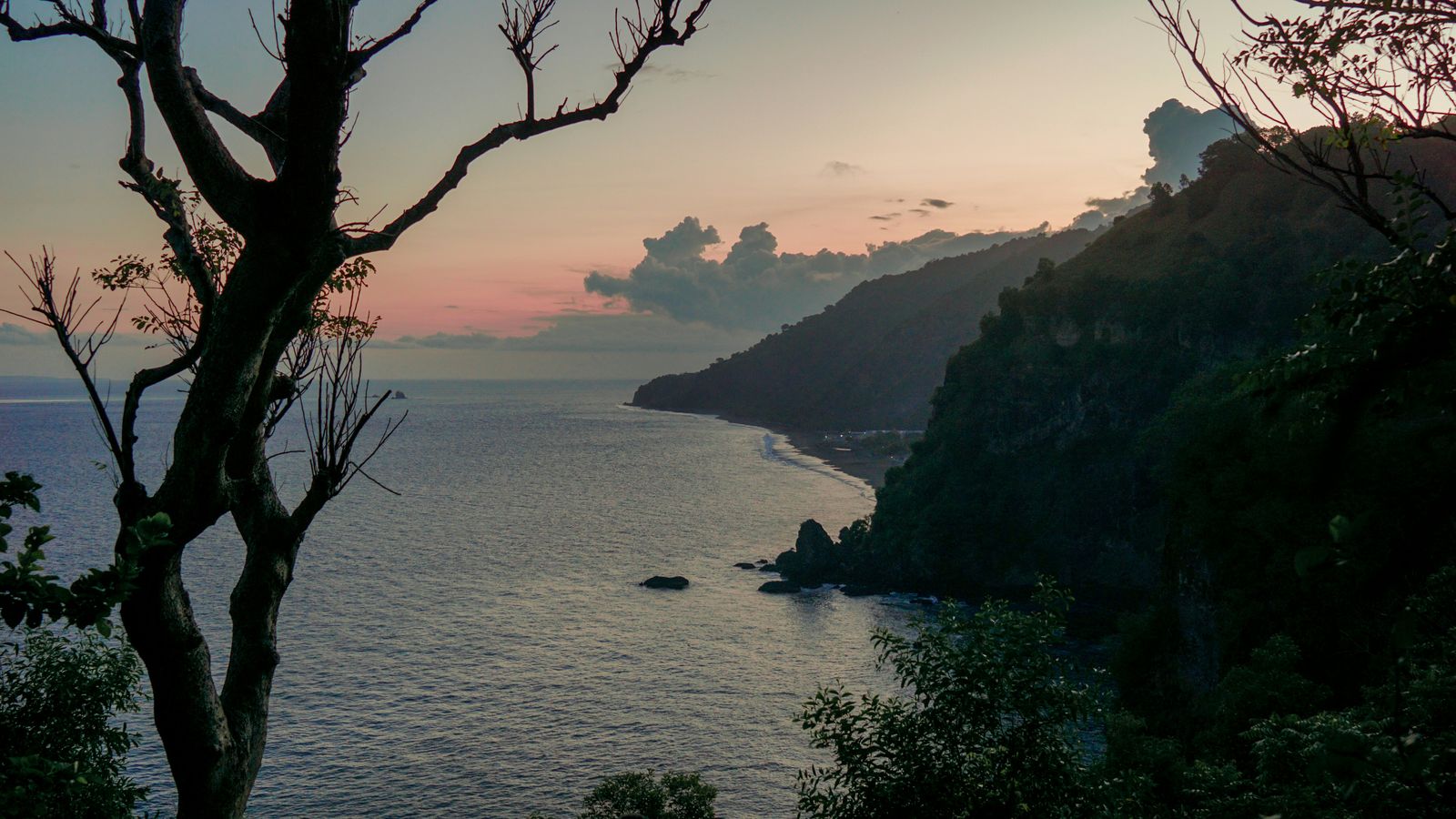
Over on the east coast, Amed trades white sand for dark volcanic shores, traditional fishing boats, and some of the best sunrise light on the island. It is slower and less polished than the south, which is exactly its charm. For a couple who wants something quiet and a little different, an early start here can be its own kind of magic.
Munduk and the northern highlands
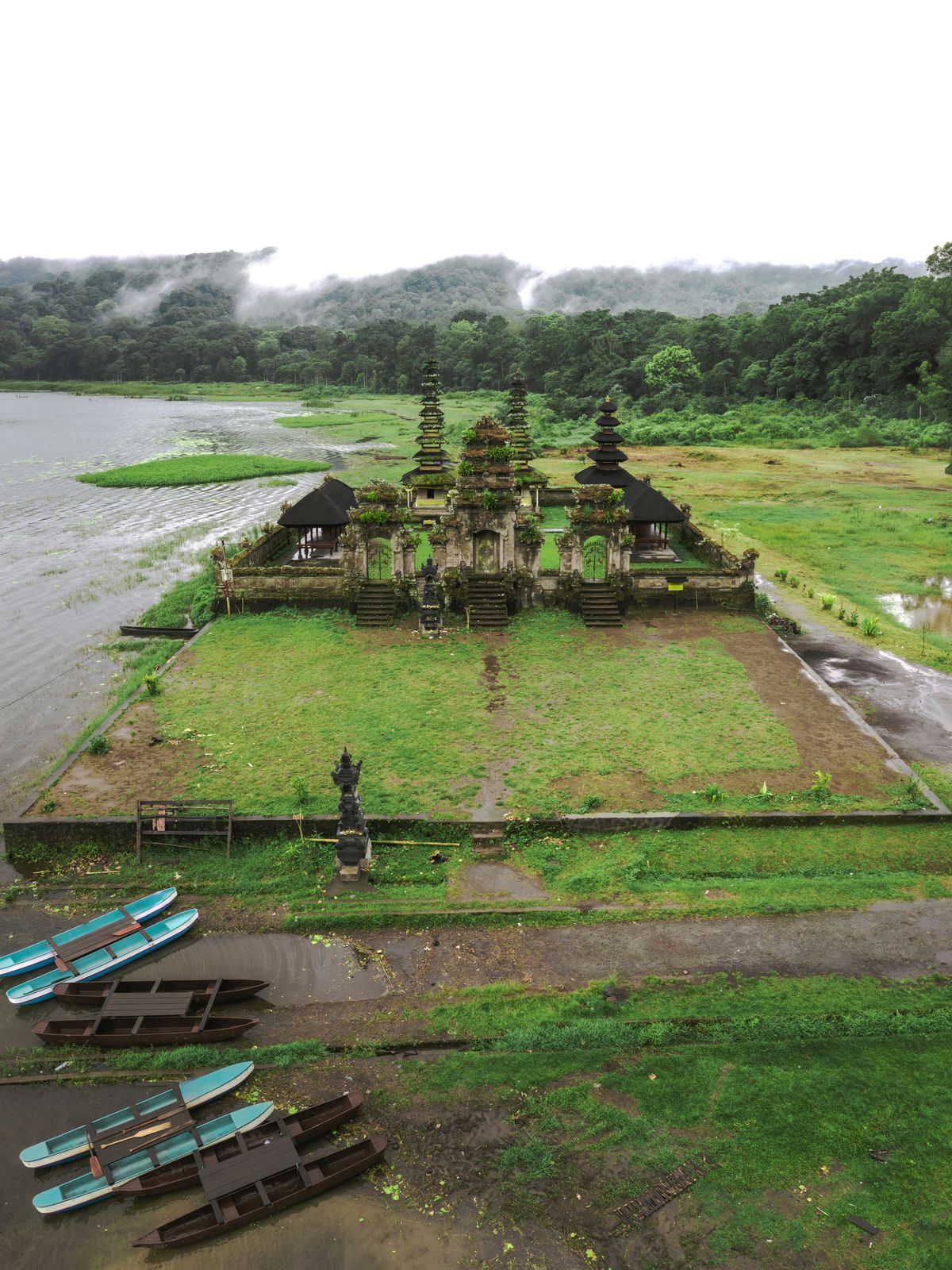
North of the lakes, Munduk is cooler, greener, and often wrapped in mist. Coffee plantations, forest trails, and hidden waterfalls give this area a soft, moody character that suits couples drawn to atmosphere over drama. Bring a light layer, because the mornings here are genuinely fresh.
West Bali: quiet coast and open space
The far west is the part of the island most visitors never reach. Long empty beaches, national park scenery, and a sense of real space make it ideal if privacy matters more than a famous name. It takes longer to get to, so it works best as its own trip rather than a quick stop between other locations.
A note on drones and aerial shots
Aerial photographs add a sense of scale that nothing on the ground can match, and Bali’s cliffs and terraces are made for them. That said, drones are not allowed everywhere. Temples, the airport zone, and some viewpoints restrict or ban them, and the rules do change. If an aerial frame is important to you, mention it early so it can be planned where it is genuinely permitted, rather than risked on the day.
Choosing a full day or a multi-day journey
For many couples a single full day is plenty. Two or three well chosen locations, one sunrise or sunset, and a relaxed pace can give you a complete and beautiful gallery. It is the most efficient way to capture the essence of Bali if your time is tight.
A multi-day journey is for couples who want the story to breathe. Spreading the shoot across two or three days means calmer mornings, more variety, and the freedom to include an island crossing or a highland detour without rushing. It also gives the weather room to cooperate, since a cloudy sunrise is far less stressful when it is not your only chance. If this trip is a milestone and you want images that feel like a real adventure, the extra days are almost always worth it.
Going further: a multi-day travel prewedding
The couples who end up with the richest galleries are usually the ones who give the story more than a single day. A multi-day travel prewedding moves across changing landscapes and light, so the set of images feels like a real trip with a beginning, middle, and end.
A favourite version pairs two very different worlds. One half is formal and cinematic, a gown against dramatic scenery. The other is loose and candid, casual clothes and unguarded moments in a wilder setting such as the savanna hills of the eastern islands or the raw coast of Nusa Penida. The contrast is what makes it memorable, and it is difficult to replicate in a rushed afternoon.
What to wear in each landscape
Outfits do more work than couples expect. On the cliffs and open coast, flowing fabric catches the wind and adds movement, so a long dress or a light suit reads well. In the terraces and jungle, earthy tones sit naturally against the green, while very bright colours can fight the scenery. At the beach, simple and relaxed almost always wins.
A practical approach is to bring two looks for a full day. Start with something more formal for the grander location, then change into something casual and comfortable for the softer, closing frames. Neutral and warm tones tend to age well and match the calm, timeless feeling that suits Bali. If in doubt, choose comfort, because a couple that feels good moves well, and that ease is visible in every photograph.
Permits, fees, and simple etiquette
Bali is welcoming, but a few practicalities are worth knowing. Many temples, waterfalls, and private viewpoints charge a small entrance or photography fee, and a handful of popular spots require booking a slot in advance. None of this is difficult, but it is easier when someone local handles it so there are no surprises on the day.
Etiquette matters too. Dress modestly at temples, follow the guidance of local staff, and treat offerings and shrines with care. A little respect goes a long way and keeps the whole experience positive for everyone. When you work with a photographer who lives here, these details are simply taken care of, and you get to focus on each other.
A sample three-day itinerary
If you want a sense of how this fits together, here is one relaxed structure that many couples enjoy.
Day one is a gentle start. A morning café or street session in Canggu, a rest through the midday heat, then a sunset on the southern cliffs near Uluwatu. Two locations, easy pace, a soft introduction.
Day two goes green. An early terrace session near Ubud before the crowds, a slow afternoon, then a jungle waterfall in the better light of late morning if you prefer to swap the order. This is the intimate, lush chapter of the story.
Day three is the adventure. A boat across to Nusa Penida for the raw cliffs and turquoise water, treated as its own full day because the travel deserves the time. You finish with a set of images that moves from town to coast to terrace to wild island, all clearly part of the same journey.
You can compress this into a single ambitious day if you must, but three unhurried days will almost always give you a better gallery and a much better memory. If you would like help shaping something like this around your dates, the packages page is a good place to start.
Thinking about an elopement or legal ceremony
Some couples come to Bali not just for photographs but to marry. A symbolic ceremony on a cliff or beach is simple to arrange and gives you complete freedom over the setting and the mood. A legally binding marriage is more involved, with paperwork and requirements that vary depending on your nationality and religion, so many international couples handle the legal side at home and treat the Bali celebration as the meaningful, personal part.
If an elopement is what you are picturing, the same location logic in this guide applies, only more so. With just the two of you and no guest list to manage, you can move faster, reach quieter spots, and let the day be entirely about the experience. It is one of the most relaxed and romantic ways to document this chapter of your lives.
How to prepare for your session
A little planning makes the day feel effortless. Sort your outfits and any accessories before you arrive, so nothing is a last minute scramble. Break in your shoes if there is any walking involved, and pack a comfortable pair for moving between spots. Stay hydrated, especially for early starts and warm afternoons, and eat something before a sunrise session so your energy holds.
Most of all, come rested and open. The couples who relax and treat the session as an experience rather than a task always look the most natural. The camera picks up ease, and it picks up tension just as clearly, so the best preparation is simply to enjoy the trip you are already on.
What a Bali prewedding typically costs
Compared with many destinations, a prewedding shoot in Bali offers real value. A single location session is the most accessible option, while full day and multi-day journeys cost more because they include more time, more travel, and a far larger set of images. On top of the photography itself, it is worth budgeting for location fees, a driver, and any outfit or styling you want to arrange.
The clearest way to see what fits your plans is to look at the current packages, then reach out with your dates so a quote can be shaped around the locations and pace you have in mind.
Common mistakes couples make
The most frequent mistake is trying to do too much. A wishlist of six locations sounds exciting until you are sitting in traffic watching the golden light disappear. Choose fewer places and give each one the time it deserves.
The second is ignoring the light. A famous spot at the wrong hour looks ordinary, while a modest spot at golden hour looks unforgettable. Build the day around sunrise and sunset first, then fit the locations to that, not the other way around.
The third is underestimating travel time, because distances on a map are misleading when the roads are slow and winding. Padding your schedule with buffer time is not wasted, it is what keeps the day relaxed. And do not leave outfits or permits to the last minute. The small logistics, sorted early, are exactly what let you forget about logistics entirely on the day.
Working with a Bali-based photographer
A location is only half of a good photograph. The other half is knowing when the light lands, which entrance is quiet, how to keep a session relaxed, and how to read a couple so the moments feel natural rather than staged. That local knowledge is the difference between a set of nice backdrops and a story that actually feels like the two of you.
Booking ahead helps more than anything. The best light windows and the quietest slots go early, especially in the dry season, so reaching out well before your trip gives you the most options. Share your dates, the feeling you are after, and any locations already on your wishlist, and the day can be built around the best possible hours rather than squeezed into whatever is left.
Making the locations feel like yours
A backdrop, however beautiful, is only a starting point. What turns a set of Bali photographs into your photographs is everything you bring to it. The way you look at each other when you think no one is watching. An inside joke that makes you both laugh at the wrong moment. A song, a ritual, or a small object that means something only to the two of you. These are the details that keep an image from looking like a postcard anyone could have taken.
The best sessions leave room for that. Instead of running through a checklist of poses, they move at the pace of a real morning together, with time to wander, to be quiet, and to react to whatever the light and the place offer. A location gives you the setting, but the story is the relationship in front of the lens, and a documentary approach is built to catch it as it actually happens rather than stage a version of it.
So as you plan, think less about collecting famous spots and more about how each place lets you be yourselves. A quiet stretch of beach where you can actually talk may serve your gallery better than a crowded viewpoint where you spend the whole time waiting for a gap. Choose the places that give you room to breathe, and the images will feel less like a shoot and more like a memory you get to keep.
Final thoughts
Bali gives you more range than almost anywhere else, and that is both its gift and its trap. The temptation is to chase every famous frame in as little time as possible. The better path is to slow down, choose a handful of locations that speak to you, and give the light room to do its thing.
Pick two or three places that feel like your story, plan them around sunrise and sunset, leave space to breathe, and trust the island to hand you the rest. Do that, and you come home with more than a set of pretty backdrops. You come home with a chapter you will want to relive for years.
Frequently asked
What is the best time of year for a prewedding shoot in Bali?
The dry season, roughly April to October, gives you the most reliable light and easier travel between locations. The green season, November to March, is quieter and greener, with short heavy showers that usually pass quickly. Both can produce beautiful photographs if you plan around the weather.
How many locations can we shoot in one day?
Two to three is realistic if they are reasonably close together. Bali traffic is the main limit, not daylight. Trying to fit in more usually means rushing, and rushed sessions rarely look relaxed.
Do we need permits for prewedding photos in Bali?
Many temples, waterfalls, and private cliff viewpoints charge a small entrance or photo fee, and a few venues require booking in advance. A local photographer or planner can arrange these for you so nothing is a surprise on the day.
Do you travel outside Bali for prewedding sessions?
Yes. Neighbouring islands such as Nusa Penida and Flores are popular for multi-day journeys, and sessions further afield can be arranged. Reach out with your dates and ideas and we can shape a plan together.
How long does a prewedding session usually take?
A single-location session often runs two to four hours. A full-day session across several spots runs eight hours or more, and a multi-day journey spreads the story across changing landscapes and light.
Is a prewedding shoot the same as engagement photos?
They overlap. Prewedding sessions are popular across Asia and tend to be more styled and location driven, often shot as a dedicated trip. Engagement sessions are usually shorter and closer to home. In Bali, most couples plan a prewedding style session built around a few locations.
How much does a prewedding photographer in Bali cost?
It depends on the length of the session and how many locations you cover. Single location sessions are the most accessible, while full day and multi-day journeys cost more because they include more time and travel. Check the current packages for a starting point, then ask for a tailored quote.